




Heat Pump Defrost Cycle — What It Is and Why Vermont Homeowners Should Care
A heat pumpdefrost cycle is the system’s built‑in routine that melts frost and ice from the outdoor coil so your unit can keep moving heat into the house efficiently in cold, wet weather. This article walks through how and why defrost cycles run, the parts involved, common problems and straightforward troubleshooting you can try, and how Vermont’s variable winter weather changes how often and how long cycles run. We’ll help you spot normal signs—brief steam, a fan pause, a reversing‑valve click—versus symptoms that point to sensor, control, or airflow trouble needing a technician. You’ll get a clear look at timed vs. demand defrost logic, compact diagnostic tables linking parts to behaviors, and safe DIY checks that protect warranties and extend system life. By the end, you’ll know when frost is routine and when persistent icing is hurting efficiency, plus what to do next for service and maintenance in Vermont.
Peak Mechanical, LLC is a Vermont‑based HVAC and plumbing company serving greater Burlington and nearby towns. If you’re seeing regular icing, frequent defrost cycles, or less heat than usual, a local tech can check control logic, sensors, refrigerant charge, and airflow to get your system back to efficient operation. We install, repair, and maintain heat pump services and work with major manufacturers to protect warranties and performance. If you schedule an inspection, note simple details—how often defrost runs, visible ice, odd noises—to help the technician diagnose faster.
What Is the Heat Pump Defrost Cycle and Why Is It Necessary?
The defrost cycle is a protective routine that temporarily flips or adjusts refrigerant flow so the outdoor coil warms and melts accumulated frost. Frost forms when the coil surface falls below the ambient dew point in moist, cold air; over time that frost insulates the coil, cutting heat transfer and capacity. Regular defrosting prevents the compressor from working harder, keeps run times reasonable, and helps air‑source and ductless heat pumps perform through Vermont winters. Knowing the cycle’s purpose makes it easier to accept short efficiency dips during a defrost and to recognize when behavior is out of the ordinary.
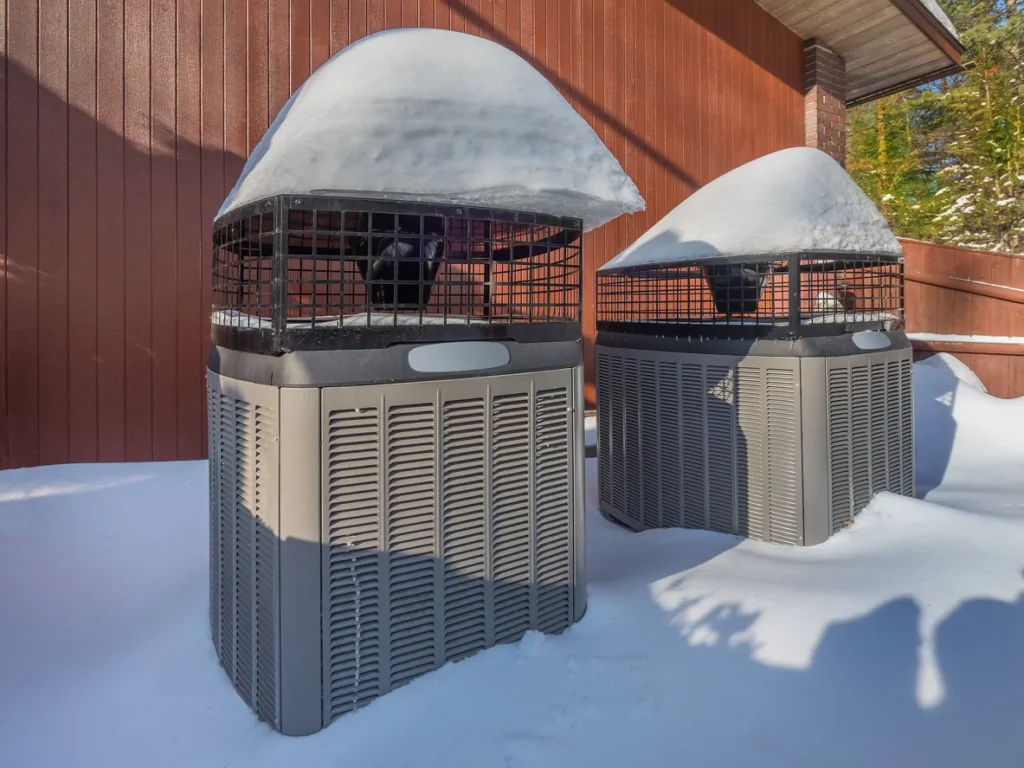
Frost buildup depends on three things: coil temperature, humidity, and precipitation type. When relative humidity is high and the coil drops below 32°F, water vapor freezes into frost; repeated accumulation can turn soft frost into hard ice that blocks airflow and lengthens defrosts. Vermont conditions—wet snow, sleet, or mixed precipitation—create faster buildup than dry cold air, so tracking weather and checking the coil helps you judge whether defrost frequency is normal or a sign something else is wrong.
Key parts in the defrost process—the reversing valve, defrost control board, temperature sensors, outdoor fan, and any auxiliary heat—work together to detect and remove frost. Each part has normal signs: a soft click from the reversing valve, sensors reporting reasonable temperatures, a brief fan pause while the coil melts, and occasional auxiliary heat if indoor temps dip. The short list below summarizes what each component does and what you might notice in normal operation.
- Reversing valve role: Temporarily changes refrigerant flow so the outdoor coil receives heat.
- Defrost control board: Watches sensors and runs defrost on a schedule or when frost is detected.
- Outdoor coil/temperature sensors: Sense freezing conditions and signal the controller to start defrost.
- Outdoor fan: Often stops during melt to avoid blowing cold air that would re‑freeze the coil.
- Auxiliary heat: Kicks in briefly if indoor temperature needs support during defrost.
Those behaviors set the stage for the step‑by‑step sequence below and connect sensor readings to what you can observe outside and inside the house.
Heat Pump Defrost Cycles: Why Vermont Homeowners Need to Know
A defrost cycle starts when the control logic—either a timed schedule or sensor‑based demand—detects frost and runs a short sequence that warms the outdoor coil. Typical signs during defrost include a faint click from the reversing valve, a short fan pause, steam as ice melts, and a brief uptick in auxiliary heat or indoor fan run time to maintain comfort. Knowing each stage helps you tell which noises and steam are expected and which could point to trouble. The table below matches main parts to their defrost role and typical behaviors.
| Component | Role in Defrost | Expected Normal Behavior |
|---|---|---|
| Reversing Valve | Reverses refrigerant flow so outdoor coil warms | Soft audible click; switches within seconds; used each cycle |
| Defrost Control Board | Determines when and how defrost runs | Starts timed or sensor‑driven defrost; follows programmed limits |
| Outdoor Coil / Temperature Sensor | Detects frost via temperature/pressure inputs | Coil reading below dew point; sensor reading within expected range |
| Outdoor Fan | Pauses to prevent cold air from re‑freezing meltwater | Stops briefly during melt; restarts after defrost ends |
| Auxiliary Heat | Supplements indoor heat while defrost runs | Short, smooth runtime increase to maintain indoor temp |
As the valve switches and the fan stops, you’ll often see steam rising as frost melts—that’s normal and short‑lived. The next section breaks the cycle into stages and lists what to watch for when troubleshooting.
What Happens During Each Stage of the Defrost Cycle?
Defrost usually follows the same order: detection, valve actuation, fan control, melt period, and return to heating mode. Detection can be timed (based on runtime) or demand‑driven (based on sensor inputs). When defrost starts, the reversing valve changes refrigerant flow so the outdoor coil absorbs heat; the outdoor fan often pauses to avoid blowing cold air over meltwater. During the melt the coil warms and ice turns to steam or water; you may hear the valve click and see vapor rising. After the preset interval or when sensors report thawed conditions, the controller switches back, restarts the fan, and runs auxiliary heat briefly if needed. Watching these cues and rough timings helps you tell normal activity from prolonged or abnormal cycles.
What Are the Differences Between Timed and Demand Defrost Systems?
Timed defrost runs at fixed intervals set by the controller whether frost is present or not; demand defrost uses sensors and logic to run only when ice is detected. Timed systems are predictable but may run unnecessarily in dry cold weather, wasting energy. Demand systems are more efficient but depend on accurate sensors and calibration. In Vermont’s mixed winter conditions, demand defrost often cuts unnecessary cycles during dry spells, while timed setups can be more reliable where sensors or controls are older. Knowing which system you have sets realistic expectations for how often defrost runs and whether a professional tune‑up could help.
What Are Common Heat Pump Defrost Cycle Problems and How Can They Be Troubleshooted?
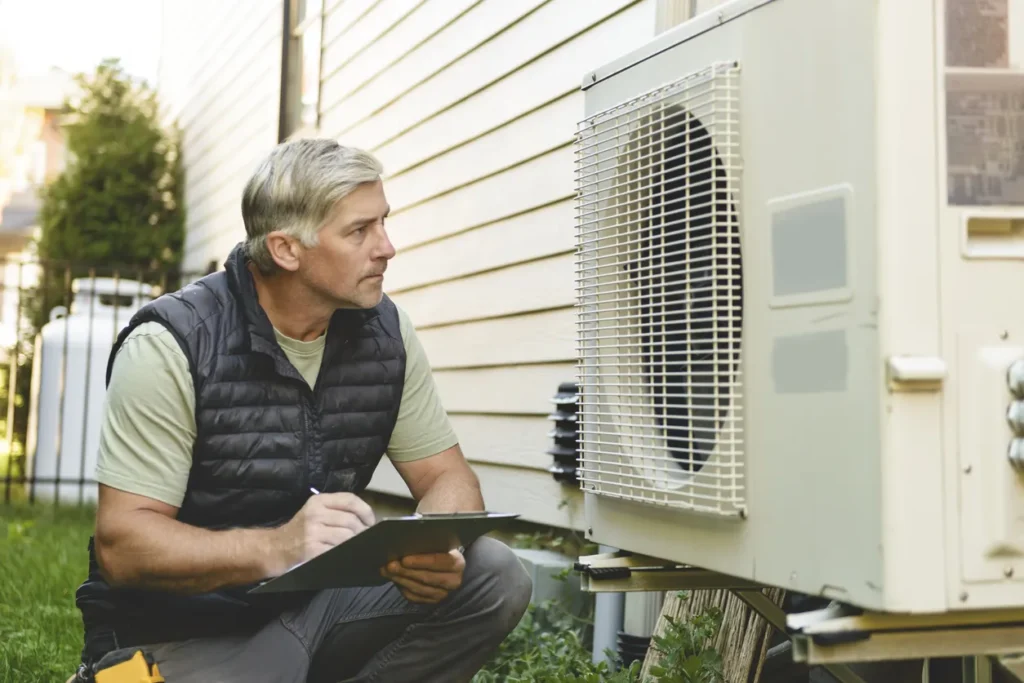
Defrost issues usually show up as too‑frequent cycles, long or incomplete defrosts, heavy ice buildup, or unusual noises. Causes range from sensor drift and stuck reversing valves to control board faults, blocked airflow from debris, or refrigerant problems. The table below links common symptoms to likely causes, simple DIY checks, and when to call a pro.
| Symptom | Likely Cause(s) | DIY Check(s) | When to Call a Pro |
|---|---|---|---|
| Frequent defrost cycles | Faulty sensor, control misconfig, or very wet conditions | Clear debris; note recent weather; photograph ice pattern | Cycles remain frequent after cleaning and in similar conditions |
| Prolonged defrost events | Stuck valve, bad sensor, or low refrigerant | Listen for valve click; inspect coil for heavy ice | |
| Unit not defrosting / heavy ice | Failed valve or control board, or blocked airflow | Clear snow; check fan spins freely | Coil stays iced after a warm cycle or no valve click |
| Unusual noises during defrost | Loose parts, failing actuator, compressor stress | Record noise timing; take a short video | Loud bangs, grinding, or repeated mechanical clunks |
Why does a heat pump defrost too frequently or for too long?
Common causes include miscalibrated or failing sensors, a defrost control board with incorrect settings, or environmental factors like persistent wet snow that re‑accumulates quickly. Safe homeowner checks include clearing vegetation and snow, ensuring drainage is open, and logging cycle frequency and length to share with your technician. If cycles keep increasing despite a clear area, it’s time for a professional inspection.
What causes a heat pump to not defrost properly or ice over?
Typical failures are stuck or leaking reversing valves, bad temperature sensors, control board faults, or severely restricted airflow that prevents melting. These issues usually need refrigerant handling, electrical diagnosis, or component replacement, so homeowner options are limited to clearing obstructions and powering down if conditions are unsafe. If your unit stays coated in ice after a full defrost or you don’t hear a valve click during an event, schedule service.
What do unusual noises during defrost mean and how urgent are they?
Normal defrost noises are soft clicks and occasional whooshes from steam. Loud bangs, grinding, or constant rattling suggest mechanical trouble—stuck valves, failing fan bearings, or compressor stress—and should be addressed promptly. Note when the noises occur during the cycle and record them if possible; that information helps technicians pinpoint whether the valve, fan, or compressor is the source. Loud noises or loss of heat deserve quick attention to avoid bigger repairs.
When Should Vermont Homeowners Contact a Professional for Heat Pump Defrost Issues?
Call a professional when defrost behavior strays from short, routine cycles or when symptoms point to component failure that DIY checks can’t fix. Urgent signs include heavy ice that remains after a full defrost, loss of indoor heat during freezing weather, loud mechanical noises that coincide with defrost, or defrosts that regularly exceed 15–20 minutes. Good reasons to schedule service soon include rising cycle frequency, visible corrosion or physical damage, and repeated reliance on auxiliary heat. Prompt inspection stops small issues from becoming expensive failures.
The checklist below helps you decide when to call and what to record before the visit.
- Urgent: Heavy ice remaining after a full defrost cycle, loud grinding noises, or complete loss of heat during freezing weather.
- Recommended Soon: Defrost cycles increasing in frequency for similar weather, visible refrigerant oil stains, or fan failures.
- Monitor: Occasional longer defrosts during wet‑snow events, small steam plumes during melt, or slight increases in auxiliary‑heat runtime.
Note the time and length of recent defrost cycles, photograph ice patterns, and jot down weather conditions to speed up diagnosis. Those observations shorten diagnostic time and help the technician target tests and repairs more accurately.
Conclusion
Knowing how the heat pumpdefrost cycle works helps Vermont homeowners keep systems efficient and comfortable through winter. By recognizing normal signs and early warning symptoms, you can keep small problems from becoming costly repairs. Regular maintenance and timely professional inspections protect performance and extend equipment life. If you want help or an inspection, schedule a visit with Peak Mechanical, LLC — we’ll help keep your system running the way it should.