




How to Read and Lower Your Energy Bills: Practical Savings with Peak Mechanical
Energy bills can be confusing — and expensive. In Vermont, homeowners and local businesses are feeling the pinch as rates climb, often struggling to decipher the various charges and understand where their money is going. This comprehensive guide breaks down the often-opaque parts of your utility bill, offers straightforward ways to save on electricity and heat, and shows how smart HVAC and plumbing choices cut costs significantly. We’ll cover both essential household fixes and strategic commercial strategies so you leave with clear, practical steps to lower your next bill and gain better control over your energy consumption.
What Are the Key Components of Your Vermont Energy Utility Bill?
Your bill is made up of several distinct charges that collectively add up to the total you pay each month. Knowing what each line item means makes it significantly easier to spot potential areas for savings and understand the true cost of your energy usage. The main pieces are kilowatt‑hour usage, supply charges, delivery charges, and fixed monthly fees — each affects your bill in different ways and requires a unique approach to manage effectively.
How Do I Understand Kilowatt-Hour Usage and Charges?
Kilowatt‑hours (kWh) measure the energy you consume over time, representing the fundamental unit by which your electricity usage is billed. You can calculate kWh by multiplying an appliance’s wattage by the hours it runs, then dividing by 1,000. For example, a 1,000‑watt device running for one hour uses 1 kWh. Tracking your kWh month to month helps you spot high‑use appliances or specific times of day that disproportionately drive up your costs, allowing you to make informed decisions about energy conservation.
What Are Demand, Supply, and Fixed Charges on My Bill?
Your bill typically separates several kinds of charges, each reflecting a different aspect of providing energy to your property. Understanding this breakdown is crucial for identifying which factors contribute most to your total expenditure and where you might be able to make the most impactful changes; here’s what each one means:
| Charge Type | Description | Impact on Total Bill |
|---|---|---|
| Demand Charges | Fees based on your peak energy draw during busy periods (mostly applied to commercial accounts) | Can spike costs if you have short periods of very high use, making load management critical for businesses. |
| Supply Charges | The cost of the electricity you actually consume, based on market rates | Fluctuates with wholesale energy prices and your chosen supplier, offering potential savings through supplier choice or time-of-use plans. |
| Delivery Charges | Fees for moving electricity from the grid to your home or business | Depends on usage and local infrastructure costs, covering the maintenance and operation of power lines and substations. |
| Fixed Charges | Flat monthly fees that help maintain the system and cover administrative costs | Stay the same regardless of how much energy you use, ensuring the grid remains operational and accessible. |
Reading and understanding each line on your bill empowers you to make strategic decisions, whether that means focusing on reducing overall consumption, shifting usage to off-peak hours, or exploring different service options and suppliers. This detailed insight is the first step toward effective energy management and significant savings.
Which Home Energy Saving Tips Can Lower Your Electricity and Heating Costs?
Small, consistent changes and targeted upgrades around your home can collectively make a surprisingly big difference in your monthly energy expenditures. Implementing these practical steps not only reduces your bills but also contributes to a more comfortable and environmentally friendly living space:
- Swap in energy‑efficient appliances: Upgrading older refrigerators, washers, dryers, and HVAC equipment to ENERGY STAR® certified models often pays back in substantial lower bills over their lifespan, thanks to advanced technology designed for minimal energy consumption.
- Seal drafts and improve insulation: Weatherstripping doors, sealing gaps around windows and pipes, and adding insulation to attics and walls stops significant heat loss in winter and heat gain in summer, drastically lowering heating and cooling demand.
- Use programmable or smart thermostats: These devices allow you to set schedules so your heating and cooling system runs less when no one’s home or during sleeping hours — simple, automated savings that adapt to your lifestyle.
How Does HVAC System Efficiency Impact My Energy Consumption?
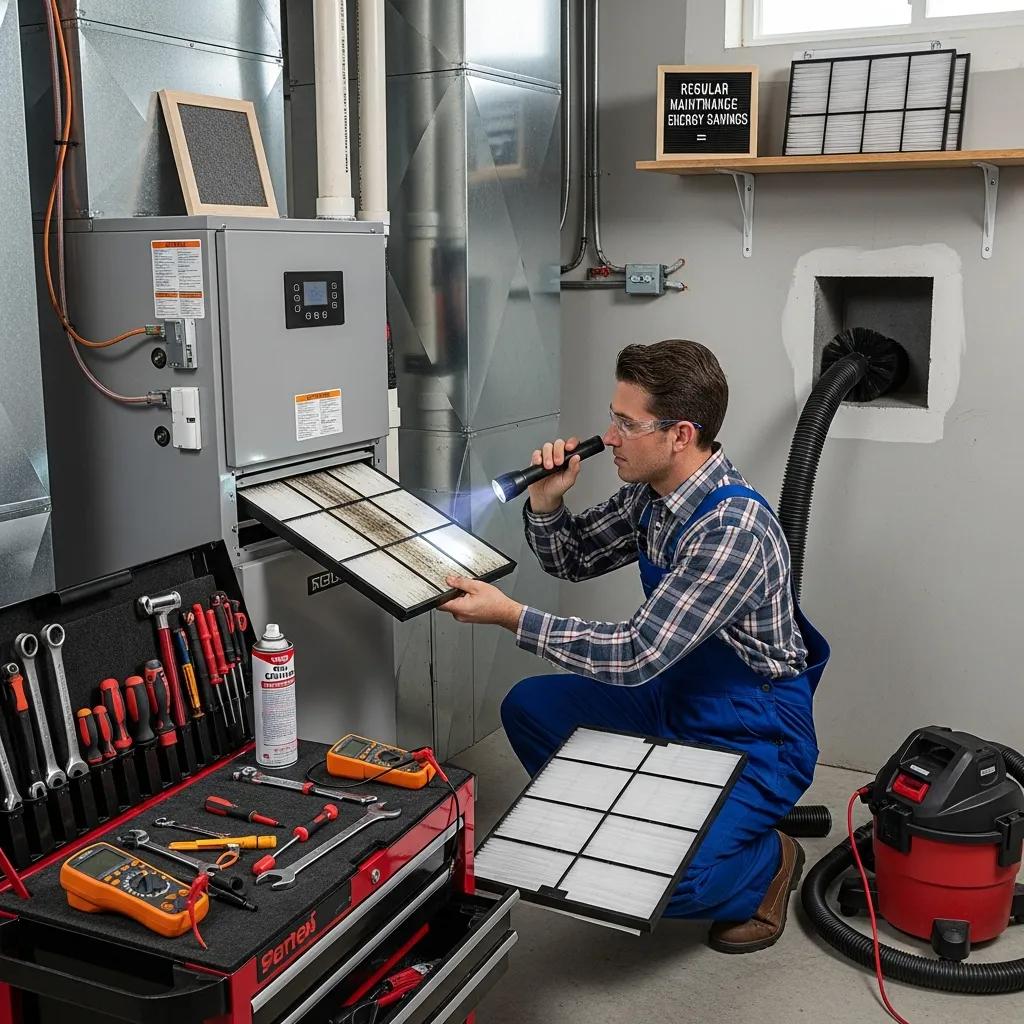
Your HVAC system is consistently one of the biggest energy users in your home, accounting for a significant portion of your utility bill, especially in Vermont’s varied climate. An efficient system, meticulously maintained, can cut heating and cooling costs by as much as 30% annually, while also improving indoor air quality and comfort. Routine tasks like replacing air filters, keeping outdoor coils clean, and checking refrigerant levels and airflow keep systems running at peak efficiency. When a system is old, struggling, or frequently breaking down, upgrading to a high‑efficiency model delivers the best long‑term savings and a more reliable performance.
What Plumbing Solutions Help Reduce Water Heating and Energy Waste?
Hot water generation is another common and often overlooked energy drain in most households, contributing substantially to overall energy consumption. These targeted plumbing upgrades and maintenance practices can significantly reduce waste and lower your bills by optimizing how you heat and use water:
- Install tankless water heaters: They heat water on demand, eliminating the constant energy consumption and standby losses associated with traditional storage tank water heaters.
- Add leak detection: Catching leaks early prevents not only wasted water but also the extra energy used to heat that water, saving both resources and money.
- Insulate hot water pipes: Simple pipe insulation keeps water hotter longer as it travels from the heater to your tap, so your water heater runs less often and you get hot water faster.
How Can HVAC Maintenance and Upgrades Reduce Your Energy Bills in Vermont?
Routine care and timely equipment upgrades are two of the fastest and most effective ways to shrink your energy use and ensure the longevity of your systems. A clean, properly tuned system uses less fuel or electricity, operates more reliably, and avoids costly breakdowns that can lead to unexpected expenses and discomfort. Proactive maintenance is an investment that consistently pays dividends in both savings and peace of mind.
What Are the Benefits of Regular HVAC Maintenance Plans?
Investing in our maintenance plans delivers clear, measurable value that extends beyond just cost savings. These comprehensive plans are designed to keep your system in optimal condition year-round, ensuring peak performance and reliability:
- Better efficiency: Scheduled inspections and tune‑ups keep systems balanced, clean, and running smoothly, preventing minor issues from escalating into major energy drains.
- Longer equipment life: Regular service reduces wear and tear on components, significantly delaying the need for expensive replacement costs and maximizing your investment.
- Fewer emergency repairs: Catching small issues early during routine checks saves on both unexpected repair bills and the wasted energy that often accompanies a struggling system.
How Do Energy-Efficient Heat Pumps and Boilers Save Money?
Modern heat pumps and high‑efficiency boilers represent significant advancements in heating technology, using much less energy than older, outdated systems. In many cases, they can lower heating costs by up to 50% compared with electric resistance heat or aging fossil‑fuel equipment, offering substantial long-term savings. Choosing the right model and ensuring it is correctly sized for your property are absolutely key to maximizing those savings and achieving optimal performance.
If you’re weighing options for a new or upgraded heating system, efficient boiler services are another smart way to reduce bills and emissions, providing reliable warmth with a smaller environmental footprint. Modern boilers are designed for precision and efficiency, making them an excellent choice for many Vermont homes.
What Plumbing Upgrades and Repairs Improve Energy Efficiency and Lower Utility Costs?
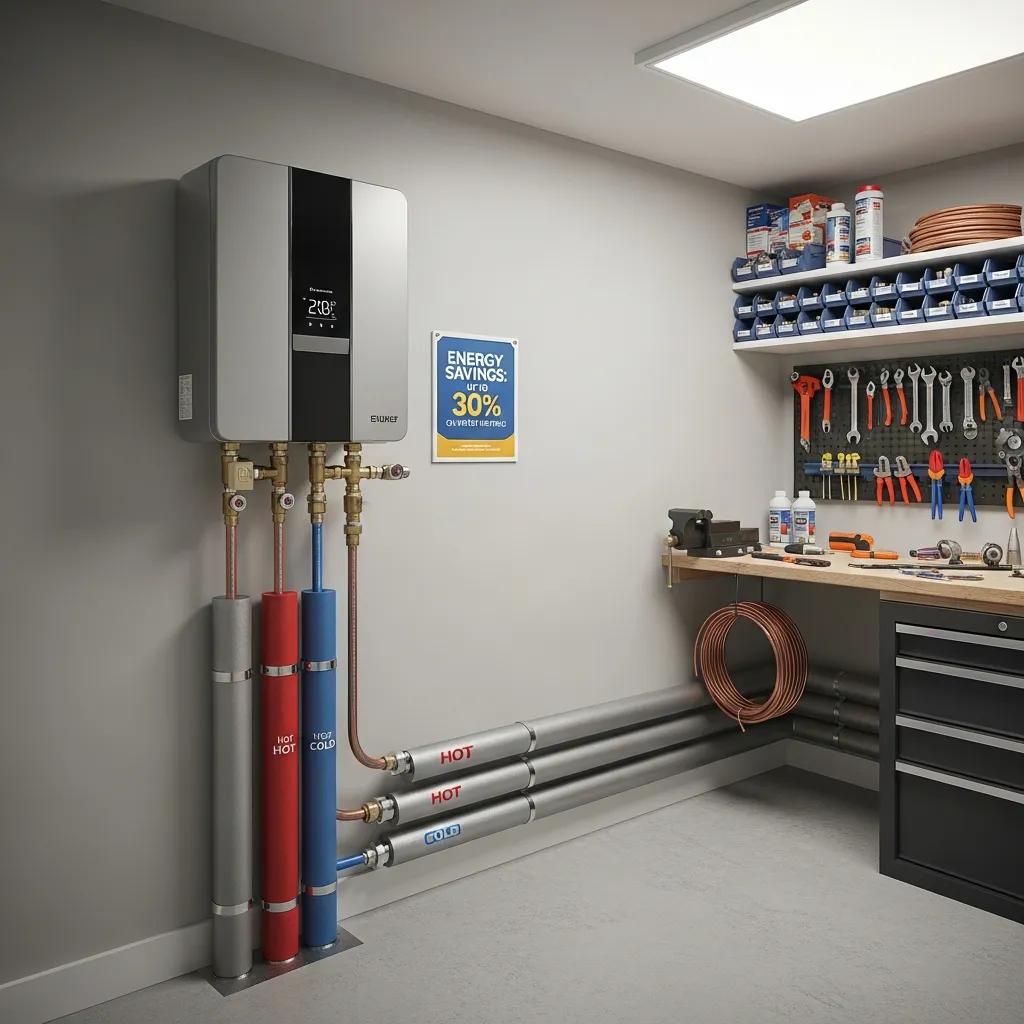
Targeted plumbing work can significantly cut both water and energy waste, as the two are often inextricably linked, especially when it comes to hot water usage. Consider these strategic upgrades for measurable savings that will benefit your wallet and the environment.
How Do Tankless and Heat Pump Water Heaters Save Energy?
Tankless units only heat water when you need it, eliminating the constant energy consumption and standby losses associated with traditional storage tank water heaters, which continuously heat and reheat a large volume of water. Heat pump water heaters, on the other hand, move heat from the ambient air to the water, operating much like a refrigerator in reverse, and can use up to 60% less electricity than standard electric storage heaters, making them incredibly efficient.
Why Is Leak Detection and Pipe Insulation Important for Energy Savings?
Undetected leaks, even small drips, and uninsulated pipes waste both precious water and the significant energy used to heat it, leading to inflated utility bills. Leak detection systems prevent ongoing loss by alerting you to issues immediately, while pipe insulation keeps hot water hot between the heater and the tap, reducing heat dissipation. Both measures reduce repeat heating cycles, lower the workload on your water heater, and ultimately lower bills over time by ensuring energy is used efficiently.
What Commercial Energy Audit and Reduction Strategies Help Vermont Businesses Save?
Businesses, much like homeowners, can achieve substantial reductions in operating costs through targeted energy audits and strategic upgrades. An energy audit systematically identifies where energy is being consumed, pinpoints inefficiencies, and highlights the highest‑value improvements to pursue, offering a clear roadmap to greater profitability and sustainability.
Local research and industry studies consistently underscore how a thorough energy audit, conducted by experienced professionals, can precisely pinpoint the systems and operational patterns that drive the biggest savings in commercial buildings. This data-driven approach ensures that investments in energy efficiency are strategic and yield the best possible return.
How Does Commercial HVAC Optimization Lower Operational Energy Costs?
Optimizing commercial HVAC systems is a cornerstone of energy reduction for businesses, encompassing the selection of the right equipment, implementation of smart controls, and consistent, professional maintenance. Upgrades to high-efficiency units, strategic zoning, and automated controls reduce runtime and demand charges, improving indoor comfort for employees and customers while simultaneously cutting operational costs. A well-tuned commercial HVAC system is a powerful asset for any business looking to improve its bottom line.
What Building Envelope and Smart Controls Improve Commercial Energy Efficiency?
Tightening the building envelope — through better insulation, upgraded windows, and sealed penetrations — significantly lowers heating and cooling loads, reducing the amount of energy required to maintain a comfortable indoor temperature. When paired with advanced smart thermostats and intelligent lighting controls, businesses can achieve immediate and substantial reductions in energy use, creating a more consistent and pleasant indoor environment for staff and customers alike. These integrated solutions offer a holistic approach to commercial energy management.
Why Choose Peak Mechanical for Expert Energy Savings Solutions in Vermont?
Peak Mechanical combines deep local know‑how with hands‑on, reliable service to help Vermont homes and businesses effectively save energy. We pride ourselves on focusing on practical, reliable solutions that are specifically tailored to fit your unique building and budget, ensuring that every recommendation is both effective and financially sound.
What Local Expertise and Services Does Peak Mechanical Offer?
Peak Mechanical provides a full range of services — from initial system design and expert installation to routine maintenance and essential plumbing upgrades. Our dedicated team possesses an intimate understanding of Vermont’s distinct climate and the specific energy challenges local customers face, allowing us to tailor solutions that deliver lasting savings and enhanced comfort. We are committed to being your trusted partner in energy efficiency.
How Can I Contact Peak Mechanical for Energy Consultations and Service Requests?
To schedule a personalized energy consultation or request service for your home or business, we invite you to reach out via our convenient Contact page. Our knowledgeable team will walk through your options, assess your specific needs, and recommend the most cost‑effective and impactful improvements for your property, guiding you every step of the way toward a more energy-efficient future.
Conclusion
Taking control of your energy consumption begins with understanding your bill, making a few targeted changes, and strategically investing in the right HVAC or plumbing upgrades. These actions can significantly shrink energy use and lower costs for Vermont homes and businesses, contributing to both financial savings and environmental stewardship. Start with simple, impactful fixes — seal drafts, ensure your HVAC is tuned, and check hot water systems — then consider more substantial efficiency upgrades where they promise the greatest long-term impact. If you desire a tailored plan and expert guidance, Peak Mechanical is ready to help you find the most effective, budget‑friendly path to better energy performance and a more sustainable future.