



Comprehensive Plumbing Terminology Glossary: Understanding Common Plumbing Terms and System Components
At Peak Mechanical, we understand that mastering plumbing terminology is essential for both homeowners and professionals. It enables clear communication and ensures the proper maintenance of plumbing systems. This comprehensive glossary covers key plumbing terms, their definitions, and their significance within plumbing systems. Many individuals face challenges when addressing plumbing issues due to unfamiliarity with the terminology. By familiarizing yourself with these terms through our expertise, you can navigate plumbing discussions more confidently and make informed decisions regarding repairs and installations. We will explore essential plumbing terms, types of plumbing pipes, tools, valves, fixtures, maintenance practices, and frequently asked questions to enhance your understanding of plumbing systems.
What Are the Essential Plumbing Terms Every Homeowner Should Know?
Plumbing terminology includes a variety of terms crucial for understanding how plumbing systems operate. At Peak Mechanical, we emphasize that familiarity with these terms helps homeowners identify issues and communicate effectively with plumbing professionals. Key plumbing terms include:
- Pipe: A hollow cylinder designed to convey fluids efficiently. Pipes form the backbone of any plumbing system, transporting water or waste as needed.
- Fitting: Components used to connect pipes or change the direction of flow. Proper fittings ensure a secure and leak-free plumbing network.
- Fixture: Devices that utilize water, such as sinks, toilets, and showers. Fixtures are the endpoints where water is accessed and used daily.
- Valve: Devices that regulate the flow of fluids within a system. Valves allow control over water supply and help isolate sections for maintenance.
Understanding these definitions is vital for homeowners to manage their plumbing systems effectively and address any issues that may arise. Our team at Peak Mechanical is always ready to assist you in this process.
Which Common Plumbing Definitions Clarify System Components?
Several common plumbing definitions clarify the components of plumbing systems. For example, a drain pipe is designed to carry wastewater away from fixtures, ensuring hygiene and safety. A supply pipe delivers fresh water to fixtures, maintaining a steady and clean water flow. Additionally, a trap is a curved section of pipe that prevents sewer gases from entering the home, protecting indoor air quality. Knowing these definitions helps homeowners understand the roles of various components in their plumbing systems, enabling them to identify potential problems and communicate effectively with professionals like us at Peak Mechanical.
What Are the Different Types of Plumbing Pipes and Their Uses?
Plumbing pipes come in various types, each serving specific purposes within a plumbing system. At Peak Mechanical, we help you understand the different types of pipes and their applications to ensure effective plumbing maintenance and repairs.
How Do Materials Like PVC, Copper, and PEX Compare in Plumbing?
Different materials are used for plumbing pipes, including:
- PVC (Polyvinyl Chloride): This lightweight and corrosion-resistant material is commonly used for drain, waste, and vent pipes. Its durability makes it a popular choice for many plumbing applications.
- Copper: Known for its strength and resistance to bacteria, copper pipes are often used for water supply lines. Copper’s longevity and reliability make it a preferred option for clean water delivery.
- PEX (Cross-Linked Polyethylene): Flexible and easy to install, PEX is increasingly popular for both hot and cold water supply lines. Its adaptability allows for efficient installation in various settings.
Each material has its advantages and disadvantages, making it important to choose the right type based on the specific plumbing application. Our experts at Peak Mechanical can guide you in selecting the best material for your needs.
What Are the Typical Sizes and Functions of Plumbing Pipes?
Plumbing pipes come in various sizes, each serving different functions. Common sizes include:
- 1/2 inch: Typically used for water supply lines to fixtures, this size is suitable for delivering water efficiently to individual appliances.
- 3/4 inch: Often used for main water supply lines, this size supports higher water flow to multiple fixtures.
- 4 inch: Commonly used for drain pipes, this larger size facilitates the removal of wastewater from the home.
Understanding the sizes and functions of plumbing pipes helps homeowners make informed decisions regarding installations and repairs. At Peak Mechanical, we ensure that the correct pipe sizes are used for optimal system performance.
Which Plumbing Tools Are Essential for Installation and Repair?
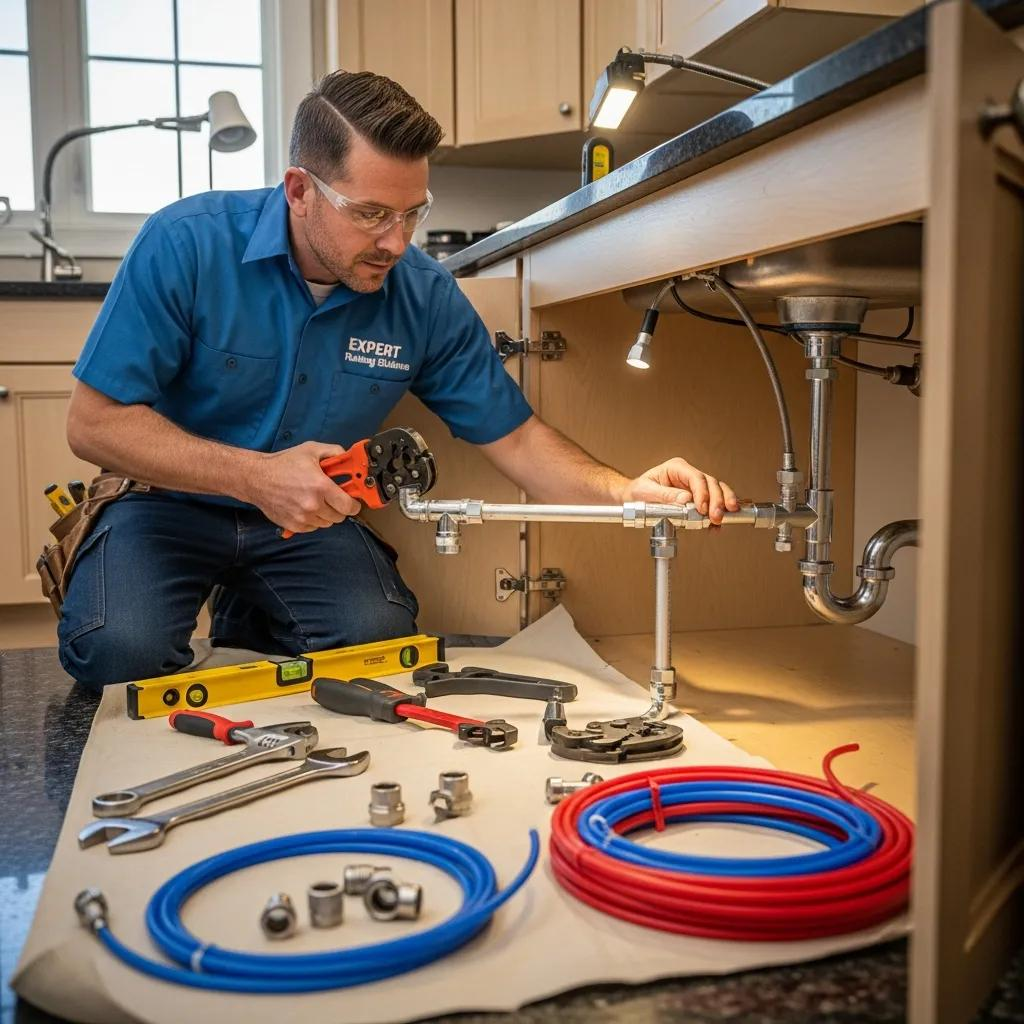
Having the right tools is crucial for effective plumbing installation and repair. Peak Mechanical recommends the following essential plumbing tools:
- Pipe Wrench: Used to grip and turn pipes securely, this tool is indispensable for assembling and disassembling plumbing components.
- Plumber’s Tape: Helps create a watertight seal on threaded connections, preventing leaks and ensuring system integrity.
- Basin Wrench: Designed for tightening or loosening nuts in hard-to-reach areas, this tool facilitates work under sinks and other confined spaces.
These tools are fundamental for any homeowner looking to perform plumbing tasks or address minor issues. Our team at Peak Mechanical is equipped with these and more to handle all your plumbing needs.
What Are the Names and Functions of Common Plumbing Tools?
Common plumbing tools and their functions include:
- Pipe Cutter: Used to cut pipes to the desired length, ensuring precise fitting and installation.
- Plunger: Helps clear clogs in drains and toilets by creating suction to dislodge blockages.
- Auger: A tool used to remove deep clogs from pipes, reaching areas that plungers cannot.
Understanding the names and functions of these tools enables homeowners to effectively tackle plumbing issues. At Peak Mechanical, we utilize these tools to provide efficient and lasting solutions.
How Do Plumbing Tools Facilitate Maintenance and Repairs?
Plumbing tools play a vital role in facilitating maintenance and repairs. For example, a pipe wrench allows for secure connections and disconnections of pipes, while plumber’s tape ensures that threaded connections are watertight. By using the right tools, homeowners can perform routine maintenance and address minor repairs, ultimately saving time and money. We at Peak Mechanical are committed to using the best tools to maintain your plumbing system’s health.
How Do Plumbing Valves and Fixtures Affect System Performance?
Plumbing valves and fixtures significantly impact the performance of plumbing systems. Valves control the flow of water, while fixtures are the endpoints where water is used. Peak Mechanical emphasizes the importance of understanding these components to maintain system efficiency.
What Are the Types and Functions of Plumbing Valves?
Common types of plumbing valves include:
- Gate Valve: Used to start or stop the flow of water, providing control over water supply to different parts of the system.
- Ball Valve: Provides a quick shut-off and is often used in water supply lines for easy and reliable operation.
- Check Valve: Prevents backflow in plumbing systems, protecting water quality and system integrity.
Understanding the types and functions of valves helps homeowners manage their plumbing systems effectively. Our team at Peak Mechanical can assist in valve selection and maintenance to optimize your system.
Which Plumbing Fixtures Are Common in Residential Systems?
Common plumbing fixtures found in residential systems include:
- Sinks: Used for washing hands, dishes, and food, sinks are essential fixtures in kitchens and bathrooms.
- Toilets: Essential for waste disposal, toilets are a critical component of any residential plumbing system.
- Showers: Provide a means for bathing, contributing to daily hygiene and comfort.
Familiarity with these fixtures allows homeowners to understand their plumbing systems better and address any issues that may arise. Peak Mechanical offers expert installation and repair services for all these fixtures.
What Are Key Plumbing Maintenance Terms and Best Practices?
Regular maintenance is essential for ensuring the longevity and efficiency of plumbing systems. Key plumbing maintenance terms include:
- Backflow: The unwanted reverse flow of water in a plumbing system, which can contaminate clean water supplies. Preventing backflow is critical for health and safety.
- Drainage System: A network of pipes that carries wastewater away from the home, ensuring proper sanitation and preventing water damage.
Understanding these terms helps homeowners recognize the importance of regular maintenance practices. At Peak Mechanical, we guide you through these practices to keep your system running smoothly.
How Do Terms Like ‘P-trap’ and ‘Drainage System’ Relate to Plumbing Maintenance?
A P-trap is a plumbing fixture that prevents sewer gases from entering the home by trapping a small amount of water. The drainage system is crucial for removing wastewater from the home. Regular maintenance of these components is essential for preventing clogs and ensuring proper function. Our team at Peak Mechanical performs thorough inspections and maintenance to protect your home’s plumbing health.
What Are Recommended Practices for Plumbing System Upkeep?
- Regular Inspections: Check for leaks and signs of wear to catch issues early and prevent costly repairs.
- Clearing Drains: Use a plunger or auger to remove clogs promptly, maintaining smooth water flow.
- Winterization: Prepare plumbing for cold weather to prevent freezing and pipe damage, especially in colder climates.
Implementing these practices helps maintain the efficiency and longevity of plumbing systems. Peak Mechanical is here to support you with expert advice and services tailored to your needs.
Which Frequently Asked Questions Clarify Plumbing Terminology?
Addressing common questions about plumbing terminology can enhance understanding and facilitate better communication. At Peak Mechanical, we are committed to educating our clients for better decision-making.
What Is a P-trap and Why Is It Important in Plumbing?
A P-trap is a plumbing component that holds water to prevent sewer gases from entering the home. It is essential for maintaining indoor air quality and preventing unpleasant odors. We ensure that your P-traps are properly installed and maintained for your comfort and safety.
How Do Drain Pipes Function Within a Plumbing System?
Drain pipes carry wastewater away from fixtures and into the sewer system. They rely on gravity to function effectively, making proper installation and maintenance crucial for preventing clogs and backups. Peak Mechanical specializes in installing and maintaining drain pipes to keep your system flowing smoothly.
For those looking for a more in-depth educational resource on residential plumbing, Peak Mechanical offers comprehensive insights into various plumbing aspects through our expert guidance and services.
Contact Peak Mechanical for Expert Plumbing Services
If you are experiencing plumbing issues or want to learn more about maintaining your system, contact Peak Mechanical. Our experienced team is dedicated to providing reliable, efficient, and professional plumbing services tailored to your needs. We serve clients in Waterbury, VT, and surrounding areas, ensuring quality workmanship and customer satisfaction.
Reach out to us today to schedule an inspection, request a repair, or discuss your plumbing needs. Let Peak Mechanical be your trusted partner in maintaining a safe and efficient plumbing system.